Introduction
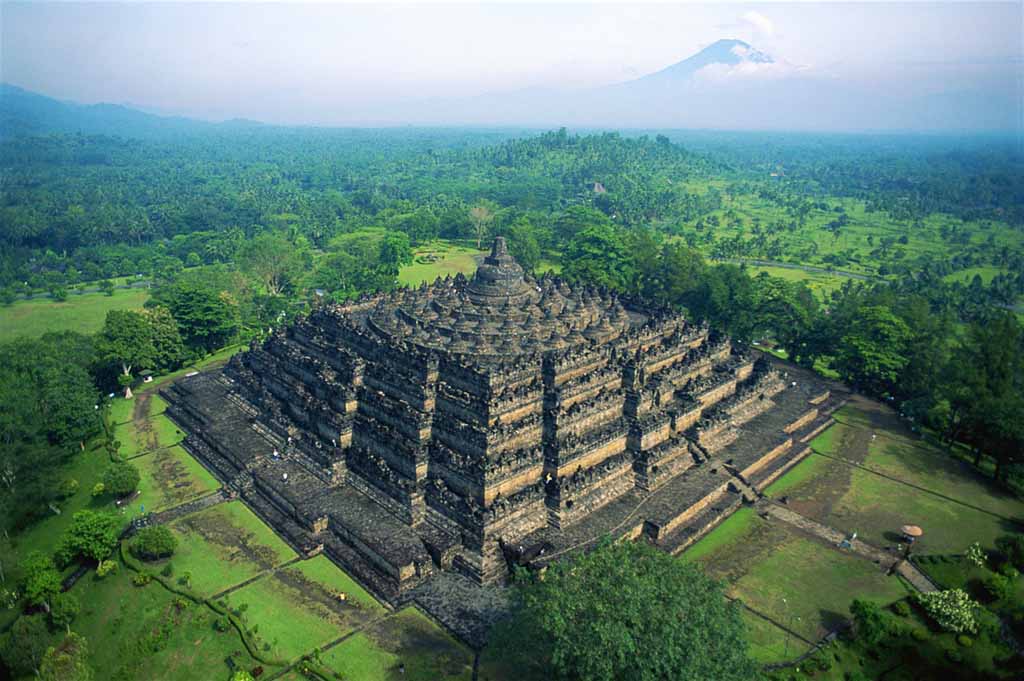
Borobudur Temple, located in Magelang, Central Java, is the largest Buddhist monument in the world and a UNESCO World Heritage Site. Built in the 9th century under the Sailendra Dynasty, it is a masterpiece of Buddhist architecture and spirituality. With nine stacked platforms, a central dome, and more than 2,600 carved relief panels, Borobudur represents Buddhist cosmology and remains one of Indonesia’s most iconic attractions.
History & Architecture
- Origins: Constructed in the 9th century, Borobudur was rediscovered in the 19th century after centuries of being buried under volcanic ash and jungle.
- Symbolism: The temple is designed as a mandala, symbolizing the path to enlightenment.
- Three Levels of Cosmology:
- Kamadhatu (Desire): The base, depicting human life bound by desire.
- Rupadhatu (Form): Middle terraces with reliefs illustrating Buddhist teachings and Jataka tales.
- Arupadhatu (Formlessness): Upper circular platforms with stupas symbolizing enlightenment.
- Central Stupa: Represents Nirvana, surrounded by 72 smaller stupas, each containing a Buddha statue.
- Reliefs: Over 2,600 panels narrate Buddhist teachings, moral lessons, and the life of Buddha.
Visitor Information
- Location: Magelang, Central Java, about 40 km northwest of Yogyakarta.
- Opening Hours: 09:00 – 17:00 WIB; closed on Mondays. Sunrise tours require special tickets.
- Tickets: Visitor numbers are limited to protect the site. Only 1,200 people per day may climb the terraces, with timed sessions. Advance booking is strongly recommended.
- Dress Code: Modest clothing is required. Sarongs are often provided at the entrance.
- Guides: Local guides are available and recommended for deeper insight into the temple’s symbolism.
- Restrictions: Climbing to the very top stupa is currently prohibited to preserve the monument.
Best Time to Visit
- Sunrise Tours: Highly recommended for breathtaking views of Mount Merapi and surrounding valleys.
- Dry Season (April–October): Offers clear skies and comfortable exploration.
- Avoid Crowds: Weekends, public holidays, and Waisak Festival days are busiest.
Travel Tips
- Getting There: About 1.5 hours by car from Yogyakarta. Shuttle buses and private tours are available.
- Nearby Attractions: Combine your visit with Mendut Temple and Pawon Temple, both historically linked to Borobudur.
- Facilities: On‑site amenities include parking, rest areas, food stalls, and souvenir shops.
- What to Bring: Comfortable walking shoes, sunscreen, hat, water, and cash in Indonesian Rupiah for local purchases.
Cultural Significance
Borobudur is not only a tourist destination but also a living religious site. Each year, thousands of monks gather here for the Waisak Festival, celebrating Buddha’s birth, enlightenment, and death. The temple continues to serve as a place of meditation, pilgrimage, and cultural pride for Indonesia.
How to Get to Borobudur
Borobudur is most commonly accessed from Yogyakarta, the main gateway city:
- By Car/Taxi: Fastest option, about 37–60 minutes depending on traffic. Cost ranges from Rp 170,000–210,000.
- By Bus: Budget option, around 1h 15m travel time, costing Rp 73,000–325,000.
- Private Tours/Shuttles: Many operators offer hotel pick‑up and guided packages.
- Self‑Drive: Renting a car costs about Rp 65,000–100,000 in fuel for the trip.
Ticket Information (2025)
- Domestic Visitors:
- Temple Grounds: ~Rp 50,000
- Temple Structure (climb terraces): ~Rp 150,000
- Foreign Visitors:
- Temple Grounds: ~Rp 150,000
- Temple Structure: ~Rp 750,000
- Student Discounts: Available with ID.
- Booking: Tickets must be purchased online via the official Borobudur Park site. Only 1,200 visitors per day may climb the terraces, with timed sessions. Advance booking is strongly recommended.
Things to Know Before Booking
- Tickets are limited and must be booked in advance.
- The temple is closed on Mondays.
- Dress modestly; sarongs are provided if needed.
- Sunrise tours require special passes.
- Climbing to the top stupa is restricted.
Activities Around Borobudur
1. Andong Ride in Candirejo Village
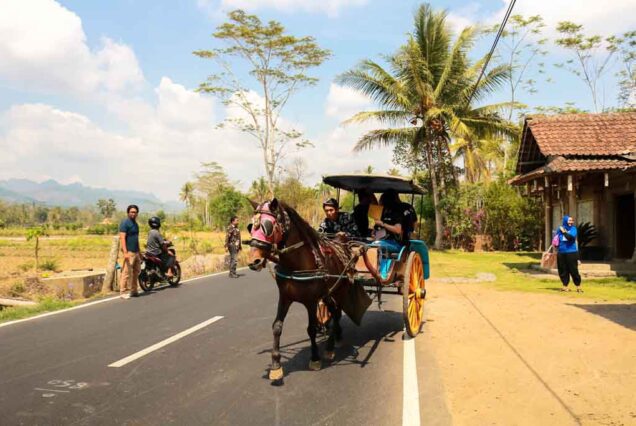
Take a traditional Andong (horse‑drawn carriage) ride through the serene landscapes of Candirejo Village, just minutes from Borobudur. This tour lets you pass rice paddies, seasonal fruit plantations, and traditional Javanese homes while soaking in the peaceful rhythm of rural life. Along the way, you can meet locals, observe farming activities, and even join them in the fields for a hands‑on cultural experience.
2. Cycling Tours
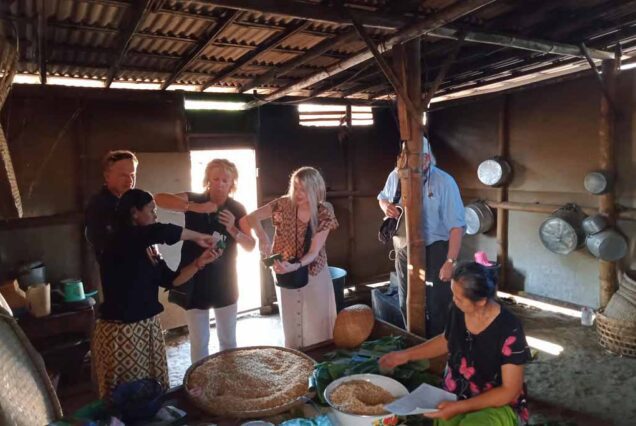
Explore the countryside on a bicycle ride, weaving through narrow village paths and lush green fields. Cycling tours often include stops at local home industries, such as tofu making or traditional crafts, giving visitors a chance to see daily life up close.
3. Fruit Picking
Depending on the season, guests can pick fresh tropical fruits in village plantations. This activity is both interactive and refreshing, offering a taste of local agriculture.
4. Gamelan & Cultural Performances
Enjoy a traditional gamelan performance or other local arts in Candirejo. These cultural showcases allow visitors to experience Javanese music and dance in an intimate village setting.
5. Village Workshops
Participate in weaving, cooking, or craft workshops hosted by local families. These activities highlight the skills and traditions passed down through generations.
6. Culinary Experiences
Savor simple village meals prepared with fresh ingredients, often enjoyed in traditional homes or community spaces. This is a chance to taste authentic Javanese cuisine beyond restaurant menus.